
How House Bitters Are Actually Made
Not a recipe card. A walk through what each step of making bitters is for, so you can build your own and understand why it tastes the way it does.

Most drink writing hands you a recipe. We are after the better question: why does this work? Bitters, vermouth, brewing, barrel aging, and the chemistry and history underneath the glass, studied the way you would study anything worth getting right.
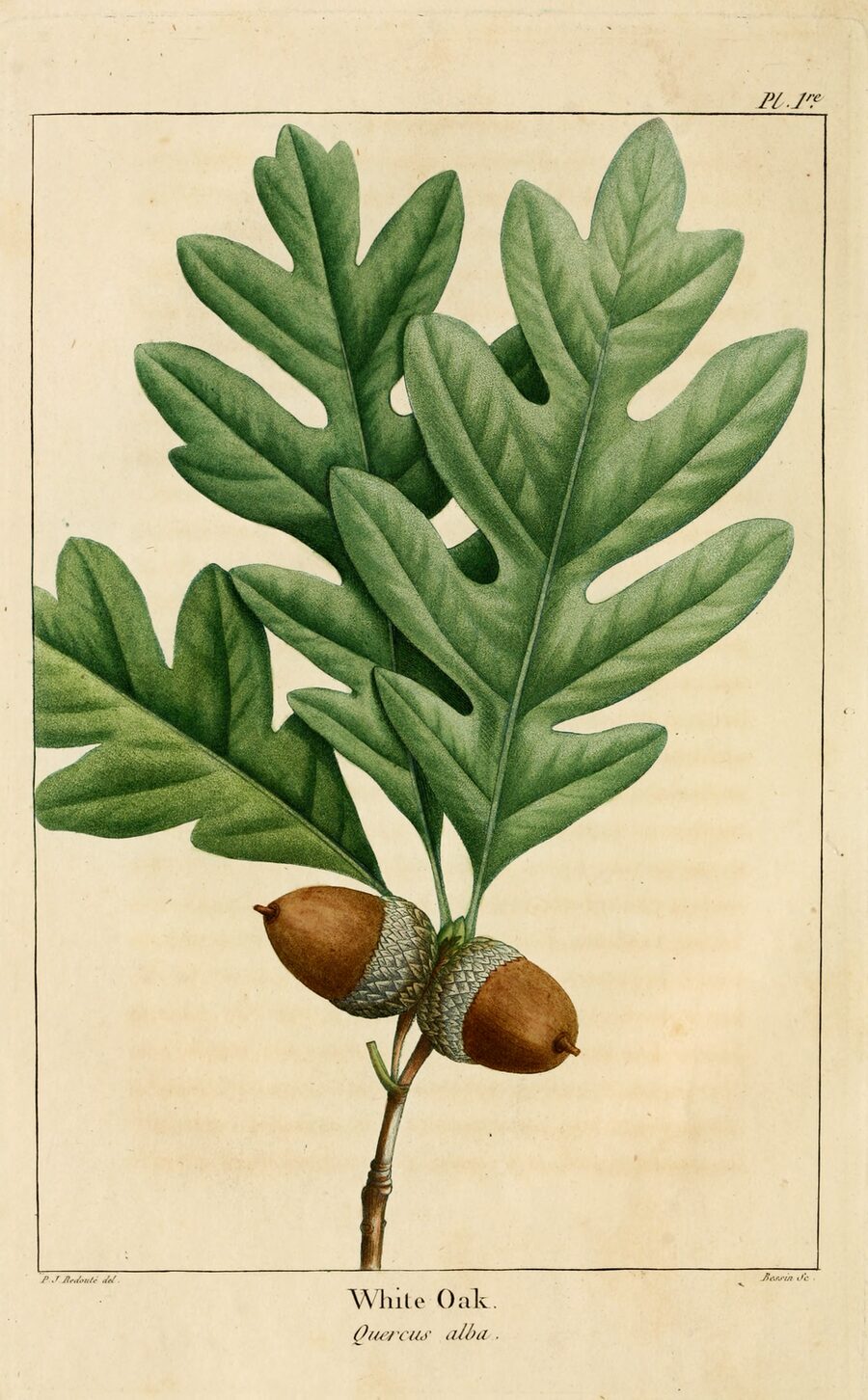
Quercus alba · Barrel Aging
A whiskey-seasoned three-liter barrel, three bottles of blanco, and a shed that swings forty degrees between night and day. Here is what the physics predicts before the first taste at day thirty.
Not a recipe card. A walk through what each step of making bitters is for, so you can build your own and understand why it tastes the way it does.
Burton brews pale ale, Pilsen brews pale lager, Dublin brews stout. For centuries each town thought it had a knack. What it actually had was the water under its feet.
Bartenders say a drink is balanced as if it were obvious. It is not one fixed point but a tension you tune, and the levers all pull on each other.
A lemon gives a drink two completely different things from two different places. The juice is acid and sugar. The peel is aromatic oil, and that is the part you smell before you ever taste the drink.
From the shed
The Brewshed Journal · Weekly
A short letter most weeks. No filler, no recipe-blog throat-clearing, just the good part of the conversation, sent to your inbox.
Newsletter sign-up is being connected. Check back shortly.
Most recent: Issue 03, Jalapeño, Cheap Oak, and a Name Younger Than the Drink · read it
The Classification
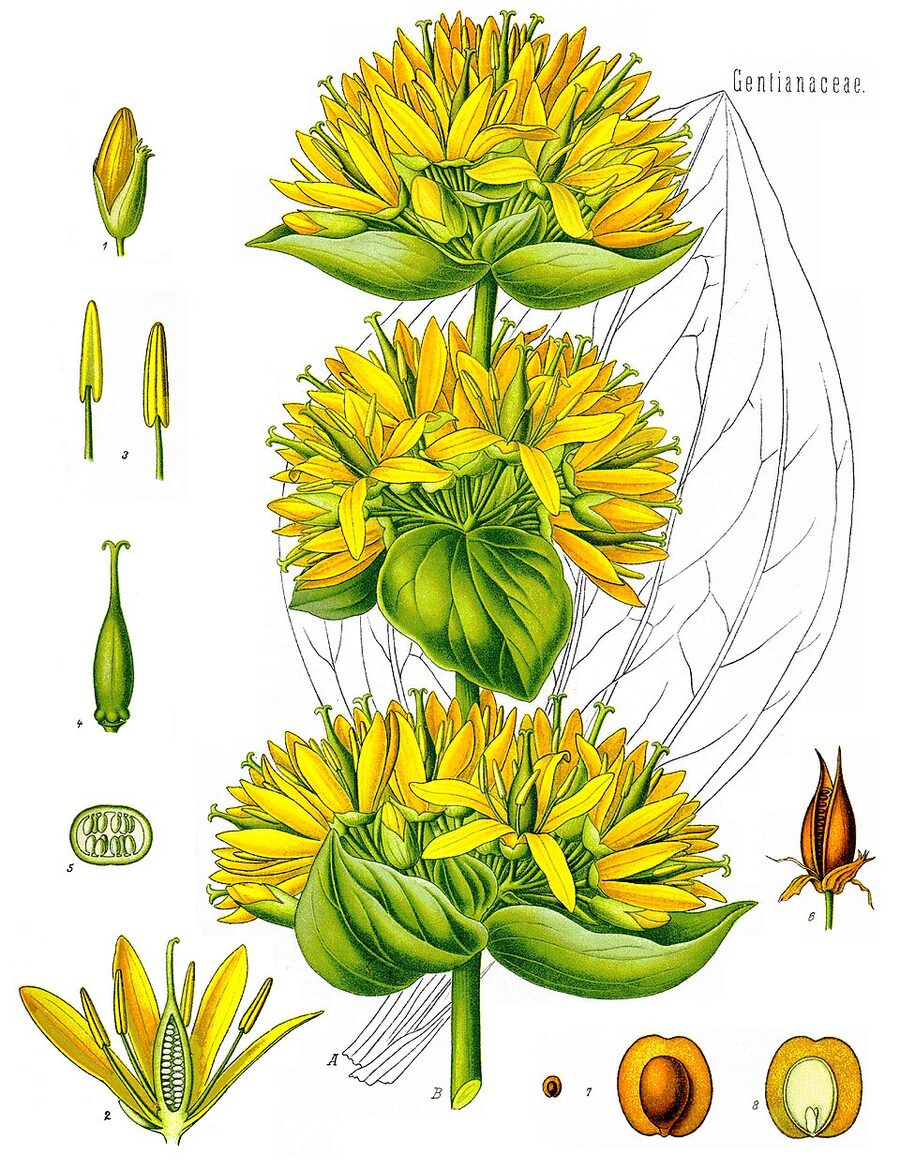
Gentiana lutea
Tinctures, botanicals, and the bittering agents that make a drink legible.
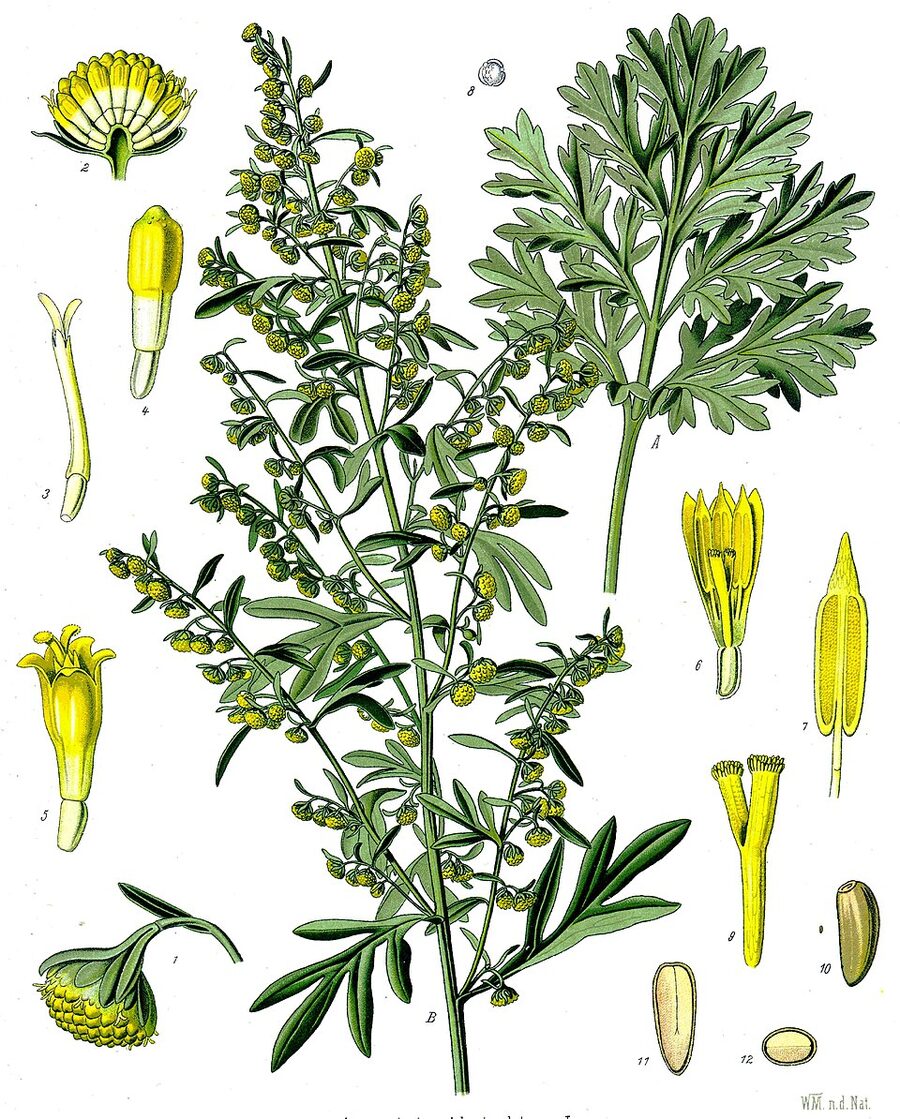
Artemisia absinthium
Fortified, aromatized wine. The most misunderstood bottle on the shelf.
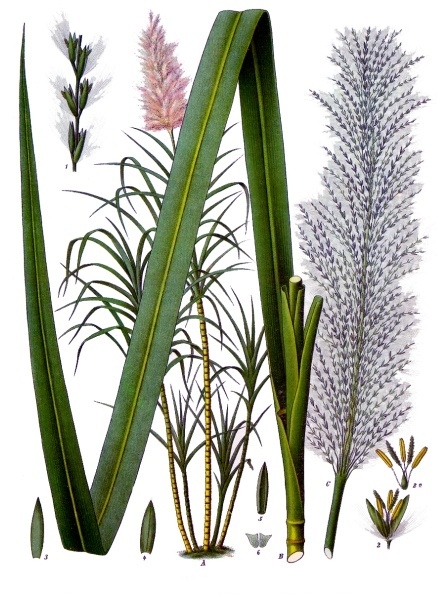
Saccharum officinarum
Acid, sugar, and fruit. Preservation turned into flavor.
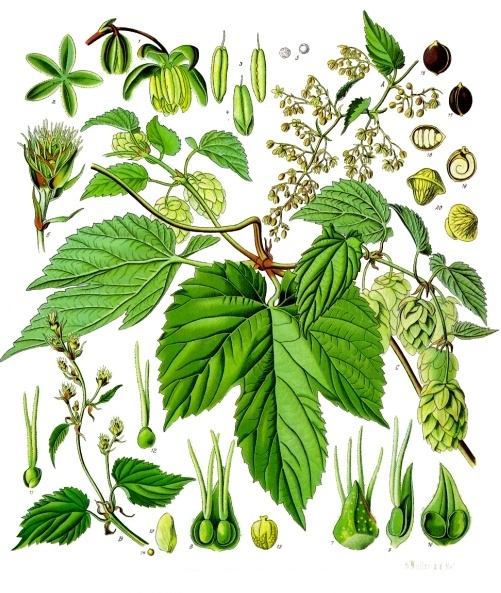
Humulus lupulus
Mash, boil, and ferment. Where the Brewshed earned its name.
Composito miscela
Builds, ratios, and the why behind a balanced glass.
Quercus alba
Oak, char, time, and the angel's share.
Sensoria gustus
How to taste on purpose, and put words to what you find.
Memoria potionis
Where these drinks came from, and who we have to thank or blame.
Saccharomyces cerevisiae
The quiet chemistry of yeast, bacteria, and time.
Materia prima
Single botanicals and base materials, studied one at a time.
Vitrum potatorium
Why the vessel changes the drink.